Lead
Traceability in tea sourcing is often discussed as a broad principle, but for export buyers its most useful form is practical documentation. A record that connects the approved sample, product specification, production lot and shipping documents can make repeat purchasing easier to manage across teams and markets.
Industry Background
Tea export involves several handoffs: purchasing, quality review, packing, logistics and receiving. When the information held by those teams is incomplete, a buyer may struggle to compare one shipment with the next. A traceable tea supply chain does not promise that every season will taste identical; it gives the buyer and supplier a shared basis for evaluating the agreed target and any permitted variation.
Key Developments
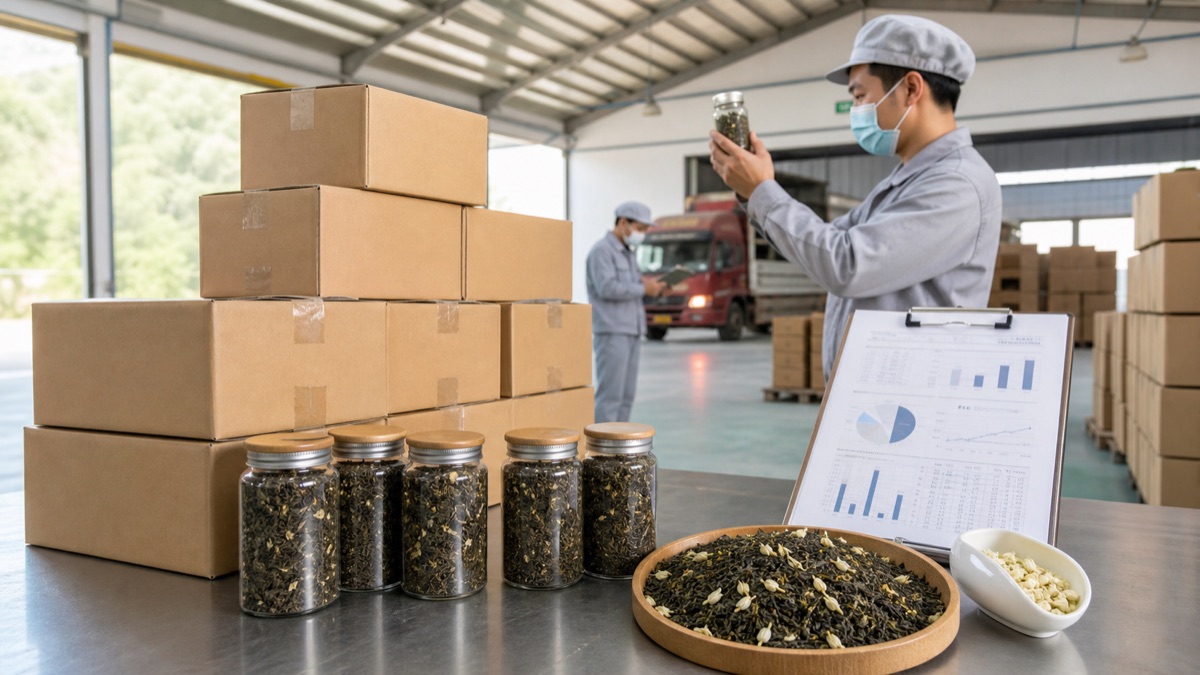
More B2B tea buyers are requesting a concise documentation pack before shipment. Depending on the product and destination, this can include the tea specification sheet, sample-approval reference, batch identification, packing details and relevant tea export documentation. The value is operational: importers can route questions to the right record, while beverage brands can keep product development, purchasing and quality teams aligned.
Market Implications
For a wholesale tea supplier, good documentation is part of service quality rather than an administrative extra. Yiyaoxin Tea Factory works with buyers who need tea quality control information and a clearer record for repeat orders. Wholesale tea buyers can improve results by naming the required documents in the purchase order and confirming who signs off on samples. This creates a more resilient sourcing process for jasmine tea, gardenia-scented tea and other export-oriented tea programs.