Lead
Ready-to-drink tea and made-to-order beverage programs continue to push sourcing conversations beyond leaf grade alone. For a beverage tea base supplier, the practical question is whether a selected tea can deliver the same aroma, color, body and brewing behavior from pilot sample through commercial production. That is especially relevant for brands developing milk tea, fruit tea, iced tea and bottled tea lines.
Industry Background
Current market reporting points to continuing interest in convenient, lower-sugar and tea-forward beverage formats. This creates an opening for Chinese tea factories that can translate a sensory target into a clear specification. A tea base for milk tea may need body and resilience against dairy; a tea base for fruit tea may need a clean finish that remains recognizable beside fruit acids and sweetness. These are distinct sourcing jobs, even when the base material is similar.
Key Developments
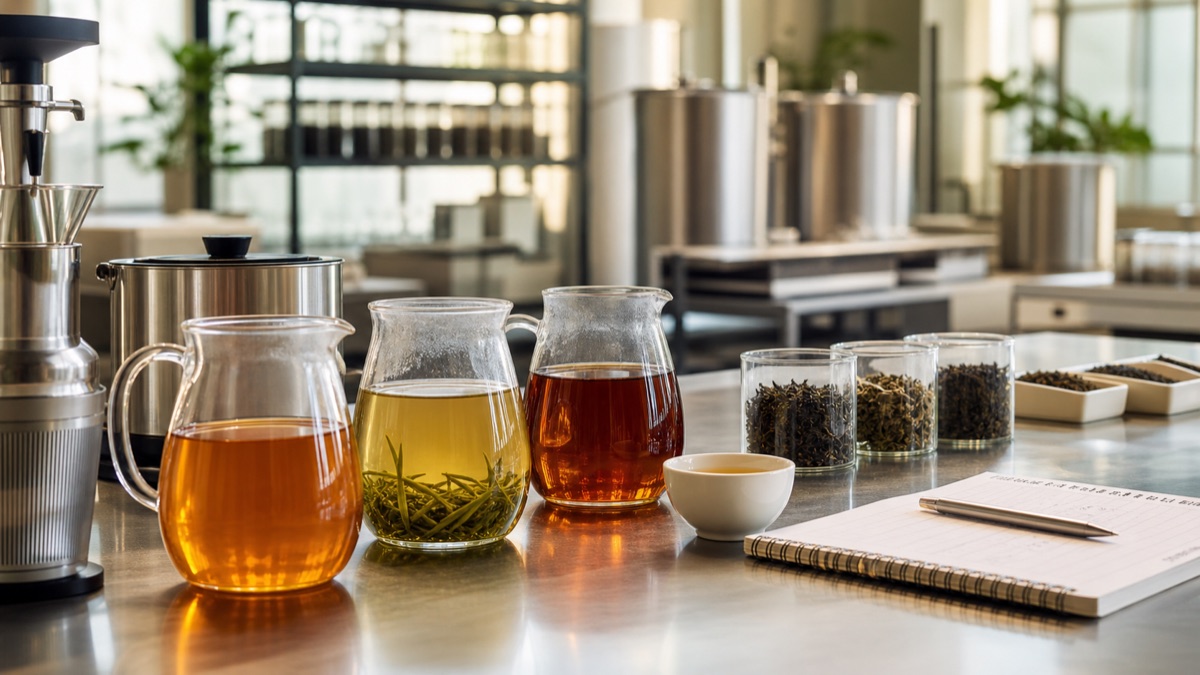
Wholesale tea buyers are increasingly asking suppliers to define sample parameters before approving scale-up: leaf or powder format, dosage, water temperature, steep time, filtration, target liquor color, aroma profile and acceptable batch variation. For an RTD tea ingredient supplier, stability work also has to be coordinated with the customer’s own formula, process and packaging validation. The right supplier does not promise a universal result; it provides representative samples, a tea specification sheet and a repeatable communication process.
Yiyaoxin Tea Factory works with B2B tea buyers on jasmine tea, black tea and green tea base options for beverage applications. A useful sourcing sequence is to compare two or three candidates against the intended recipe, capture the preferred brewing protocol, and retain an approved reference sample for later lots. This helps procurement teams evaluate a beverage tea base supplier on operational fit as well as cup quality.
Market Implications
For importers, distributors and beverage developers, the strongest purchasing brief is specific: end use, target market, format, expected monthly volume, sensory profile and required documents. It allows a Chinese scented tea factory or broader tea export supplier to recommend an appropriate material rather than defaulting to a generic quote. As beverage menus diversify, dependable tea batch consistency is becoming a commercial advantage that buyers can test before committing to larger orders.