Lead
For international tea purchasing, document readiness should begin alongside product approval—not after goods are packed. Whether an order is bulk jasmine tea, private label tea bags or a beverage tea base, wholesale tea buyers benefit when the supplier, importer and freight partners agree early on the information each side needs before shipment.
Industry Background
Tea export requirements vary by destination, product format and buyer program. The exact documents, labeling language and testing expectations must always be verified for the receiving market. Still, the operational pattern is consistent: a buyer who shares destination, importer requirements and packaging artwork early gives the tea export supplier more time to review the request and identify gaps before production is fixed.
Key Developments
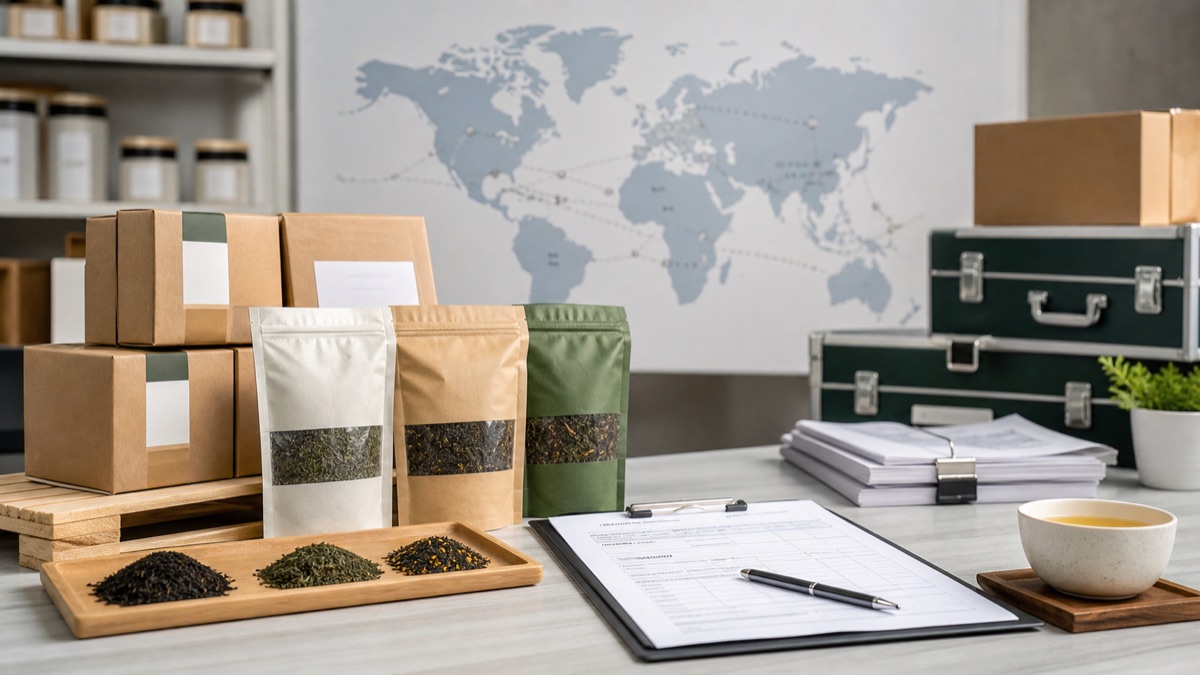
For a typical B2B tea order, the working file may include the approved tea specification sheet, proforma invoice, packing list, commercial invoice, shipping marks and any mutually required quality or origin records. Private label tea projects may also require signed artwork approval, barcode confirmation, ingredient and allergen information where applicable, and a retained production sample. These are not substitutes for destination-specific compliance advice; they are an organized starting point for communication.
Yiyaoxin Tea Factory encourages buyers to create a pre-shipment checklist that names the responsible contact for product specification, packaging approval, document review and logistics instructions. This is particularly valuable for buyers sourcing from a Chinese tea factory for the first time. A clear checklist reduces last-minute questions about carton counts, lot references, label placement or the wording used on shipping papers.
Market Implications
Reliable tea export is a coordination discipline. A bulk tea supplier from China can prepare information efficiently when commercial and technical expectations are clear, while buyers can reduce delays by confirming their market-specific requirements with qualified local partners. For distributors and private label teams, making documentation part of the initial purchase brief is a straightforward way to protect the launch schedule and improve traceable tea supply chain communication.