Lead
China’s tea industry is entering a new stage of higher-value development. Instead of relying only on production volume and regional reputation, the sector is placing stronger emphasis on quality consistency, brand building, modern processing, and export-ready supply chains. This is especially important for a certified Chinese scented tea factory, a beverage tea base supplier, or a private label tea partner serving global buyers.
Industry Background
Tea connects agriculture, food manufacturing, cultural tourism, and global trade. As overseas buyers pay closer attention to food safety, traceability, packaging, and stable delivery, Chinese tea suppliers are being pushed to build more professional and transparent systems. For products such as jasmine tea, gardenia-scented tea, green tea, and black tea, reliable processing and consistent flavor are becoming central purchasing factors.
Key Developments
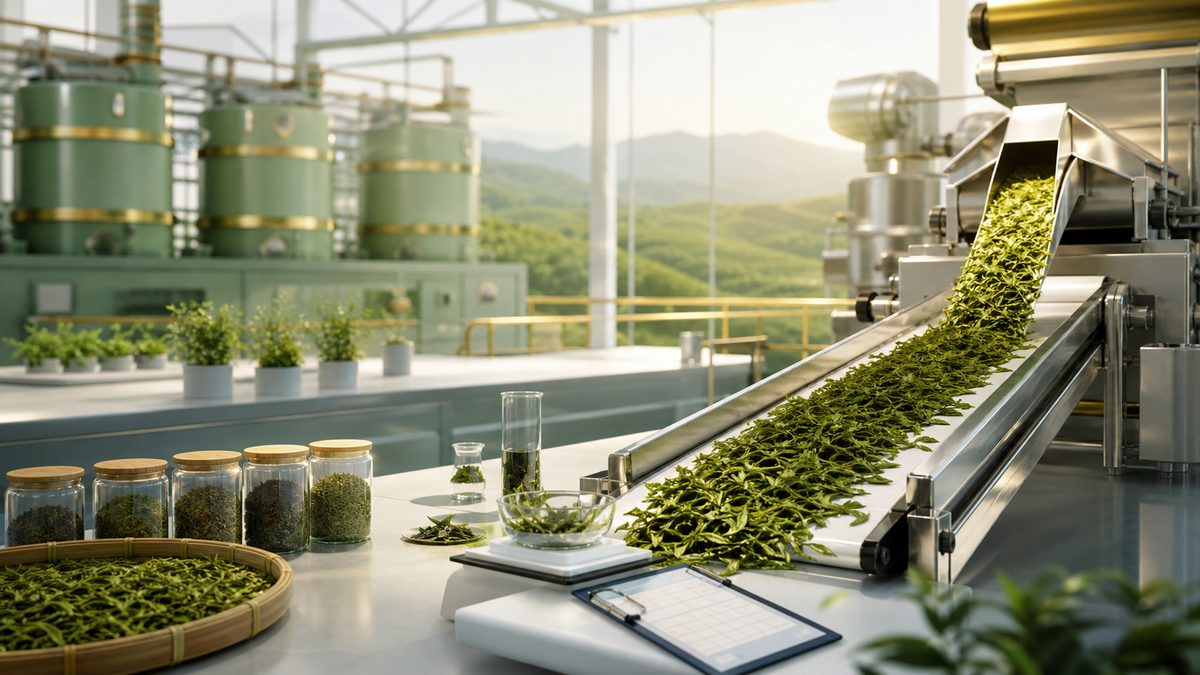
Recent industry signals point to a more integrated tea value chain. Priorities include upgrading processing facilities, improving product standards, supporting stronger tea brands, promoting green manufacturing, and helping factories respond to changing consumer needs in both domestic and overseas markets. For Yiyaoxin Tea Factory, this trend aligns with demand from wholesale tea buyers looking for stable Chinese scented tea, beverage tea bases, and custom tea solutions.
Market Implications
For B2B buyers, this shift means Chinese tea factories are likely to compete more on reliability, documentation, product development, and service capability. For export-focused suppliers, the opportunity lies in moving from basic raw-material supply to customized, export-ready tea solutions for beverage brands, distributors, and private label tea customers.