Lead
Tea is more than a beverage category. For international buyers, it is also connected with origin, culture, agriculture, and sustainability. This broader value is becoming increasingly important for Chinese tea suppliers, especially companies offering Chinese scented tea, jasmine tea, gardenia-scented tea, and private label tea for global markets.
Industry Background
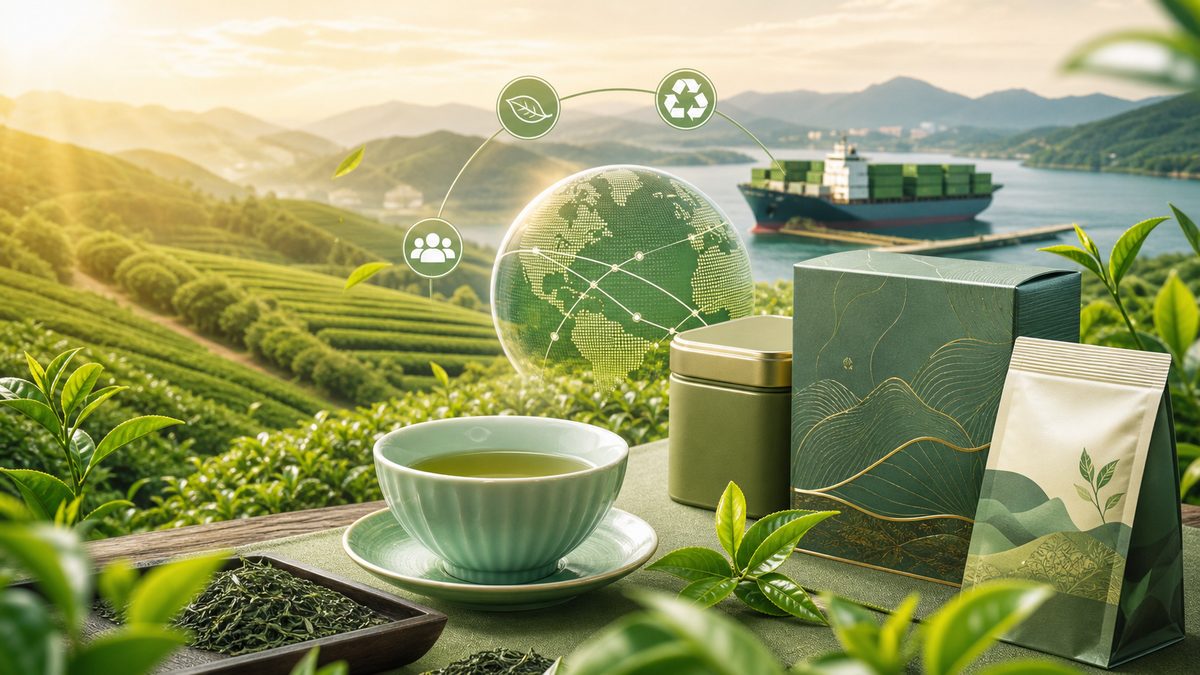
Global tea buyers are paying more attention to how tea is grown, processed, tested, packed, and delivered. At the same time, consumers are becoming more interested in authentic origin stories, traditional tea culture, and products that feel natural, responsible, and reliable. These expectations are shaping how a B2B tea supplier presents its factory capability and product portfolio. For Yiyaoxin Tea Factory, the same message supports its positioning as a certified Chinese scented tea factory for jasmine tea, gardenia-scented tea, and beverage tea bases.
Key Developments
Chinese tea producers are responding by improving quality-control systems, promoting greener production practices, and presenting tea culture in a more international way. For export markets, this means product information, certifications, traceability, packaging language, and brand presentation are becoming part of the buying decision. A beverage tea base supplier or scented tea factory can use these strengths to support beverage brands, distributors, and wholesale tea buyers.
Market Implications
For B2B customers, sustainability and culture can support product differentiation. A certified Chinese tea factory that combines stable quality with a clear origin story, responsible production, jasmine tea expertise, and export-ready documentation can help overseas brands communicate more confidently with their own customers.